
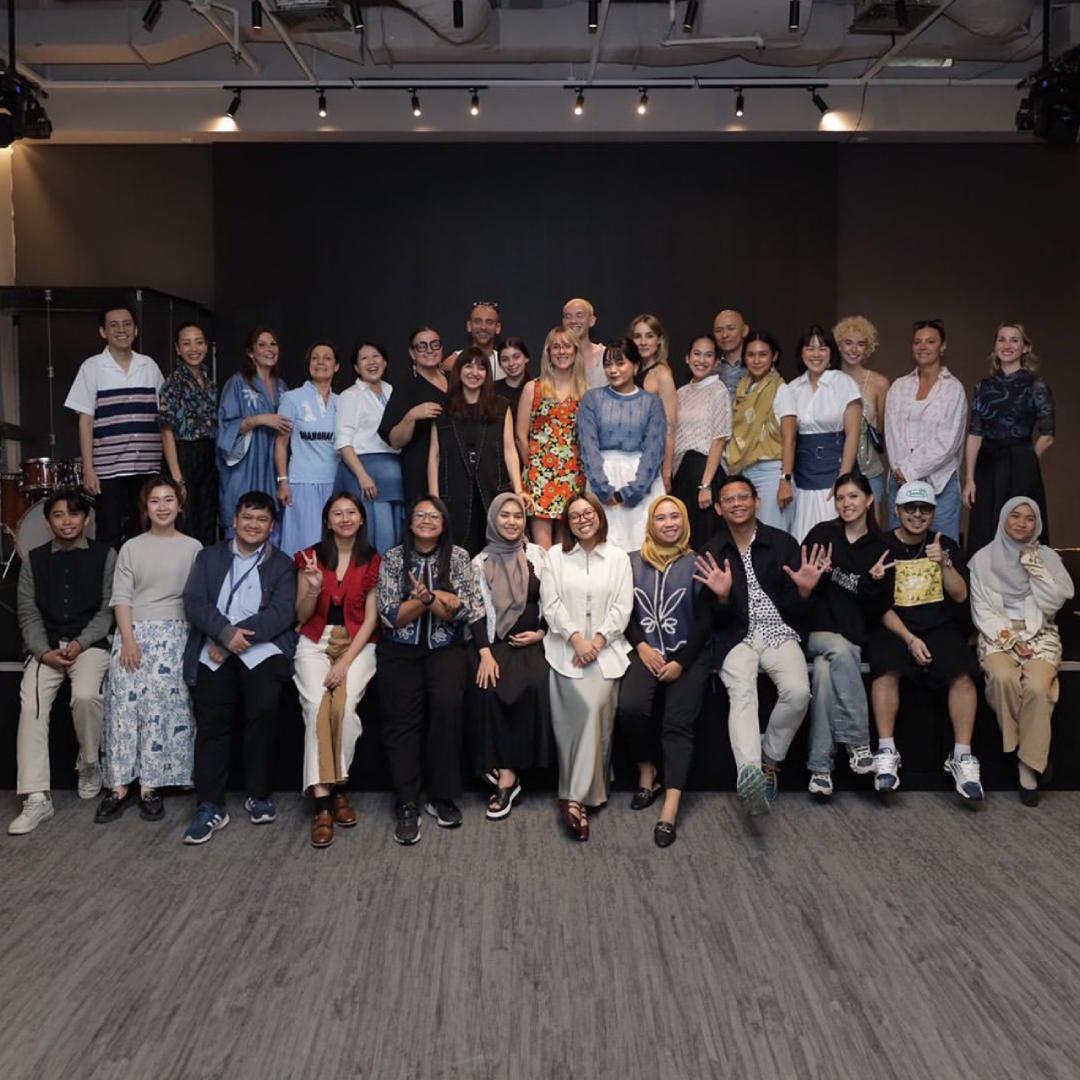
Photo: The incubees that made the cut. Incubees and mentors, selected not for exposure, but for readiness
20 February 2026
Inside PINTU: Why Being Selected Means You Are Ready for the Real Industry
Highlight
Being selected into PINTU is more than an achievement. Each year, hundreds of brands apply, and only a limited number are chosen. The process is rigorous, with clear standards and long-term expectations. PINTU is not a short-term accelerator. It is a sustained commitment to building fashion brands that are structurally prepared to compete and endure.
PINTU does not select brands for exposure alone. It selects brands for readiness.
The curation goes far beyond aesthetics. Creative talent is essential, but it is not enough. Brands must demonstrate clarity of vision, disciplined execution, operational maturity, scalability, and a coherent long-term strategy. The expectation is not simply to design compelling collections, but to build a business with substance and sustainability.

Photo : At PINTU, a compelling product is only the beginning. What gets a brand selected is the structure, strategy, and discipline behind it.
This level of selectivity is intentional. In an industry that often prioritizes speed, PINTU prioritizes depth. Growth without structure is fragile. Visibility without identity is short-lived. Participants are expected to achieve measurable progress, from market readiness and buyer engagement to refined positioning and sustainable development.
Mentorship Aligned with Industry Standards
One of PINTU’s defining strengths lies in its mentors.
In Indonesia, participants are guided by figures such as Thresia Mareta, founder of LAKON Indonesia and recipient of the French Government’s Ordre des Arts et des Lettres; Susan Budihardjo, a respected designer and educator; and Irwan Mussry, CEO of Time International, which represents global houses including Rolex, Dior, and Chanel in Indonesia.

Photo: PINTU 2023 French Mentors, the network behind the program, in the room.
Internationally, the network includes professionals such as Samudra Hartanto, who previously worked at Hermès and Louis Vuitton; Véronique Marinho, whose experience spans Givenchy and Alexander McQueen; Amandine Chiron, with a background at Prada and Valentino; Damien Pommeret from The Woolmark Company; and Julie Charvie of Printemps Haussmann.
These names represent only a small portion of the wider network. Each year, dozens of experts contribute to PINTU’s development process. They come from diverse disciplines including design, craftsmanship, sustainability, retail, communications, merchandising, and global market strategy. Many have built careers across major fashion capitals and international luxury houses. The program consistently engages outstanding industry figures whose experience reflects real-world standards and global expectations.
Mentorship within PINTU is practical and demanding. Feedback is direct. Evaluation is detailed. Participants are expected to respond with meaningful development, not cosmetic adjustments.
A Continuous Ecosystem, Not a Temporary Cycle
PINTU is structured as an ongoing ecosystem rather than a limited-term program.
Participants move through structured mentoring phases, gain exposure to international platforms such as Paris trade shows, and remain connected to the broader JF3 ecosystem. For many brands, entry into PINTU becomes a gateway to expanded opportunities, including retail access, curated showcases, collaborations, and cross-border engagement.

Photo: The ecosystem in motion: PINTU incubees Lil Public and Denim It Up, and alumni Fuguku, at Premiere Classe, Paris 2025
Selection into PINTU signals credibility. It indicates that a brand has been evaluated not only for creativity, but also for operational strength, business readiness, and long-term viability.
The program demands accountability. Designers are encouraged to refine their identity, strengthen internal systems, and build strategies that extend beyond seasonal cycles. The focus is not on chasing trends, but on building infrastructure.
Building Brands That Endure

Photo: Rizkya Batik’s mentorship session that goes beyond aesthetics: learning to see, refine, and build a brand that is made to last
In a fashion landscape often driven by virality, PINTU stands for longevity. It does not cultivate short-term visibility. It supports the development of brand leaders who understand narrative, value craftsmanship, and commit to sustainable growth.
The competitiveness of the selection process reflects the competitiveness of the industry itself. High standards are aligned with global market expectations.
Ultimately, what PINTU offers is not limited to mentorship or exposure. It offers structure, credibility, and access to a strong ecosystem under JF3. To be selected is to accept a serious commitment. To succeed within it is to be prepared for the realities of the global fashion industry.
That distinction carries weight.
Learn More: