

29 August 2025
PINTU Incubator Alumni Shine at Osaka World Expo 2025
Highlight
Just two days after the lights dimmed on JF3 Fashion Festival 2025, Indonesia was already taking another bold step onto the global stage. JF3 and LAKON Indonesia, co-initiators of the PINTU Incubator, sent three of their standout alumni; Apakabar, Fuguku, and Senses to represent the nation at the prestigious Osaka World Expo 2025. Their presence signaled not only a milestone for the brands, but also the growing strength of Indonesia’s fashion incubator ecosystem in shaping local talents for international recognition.
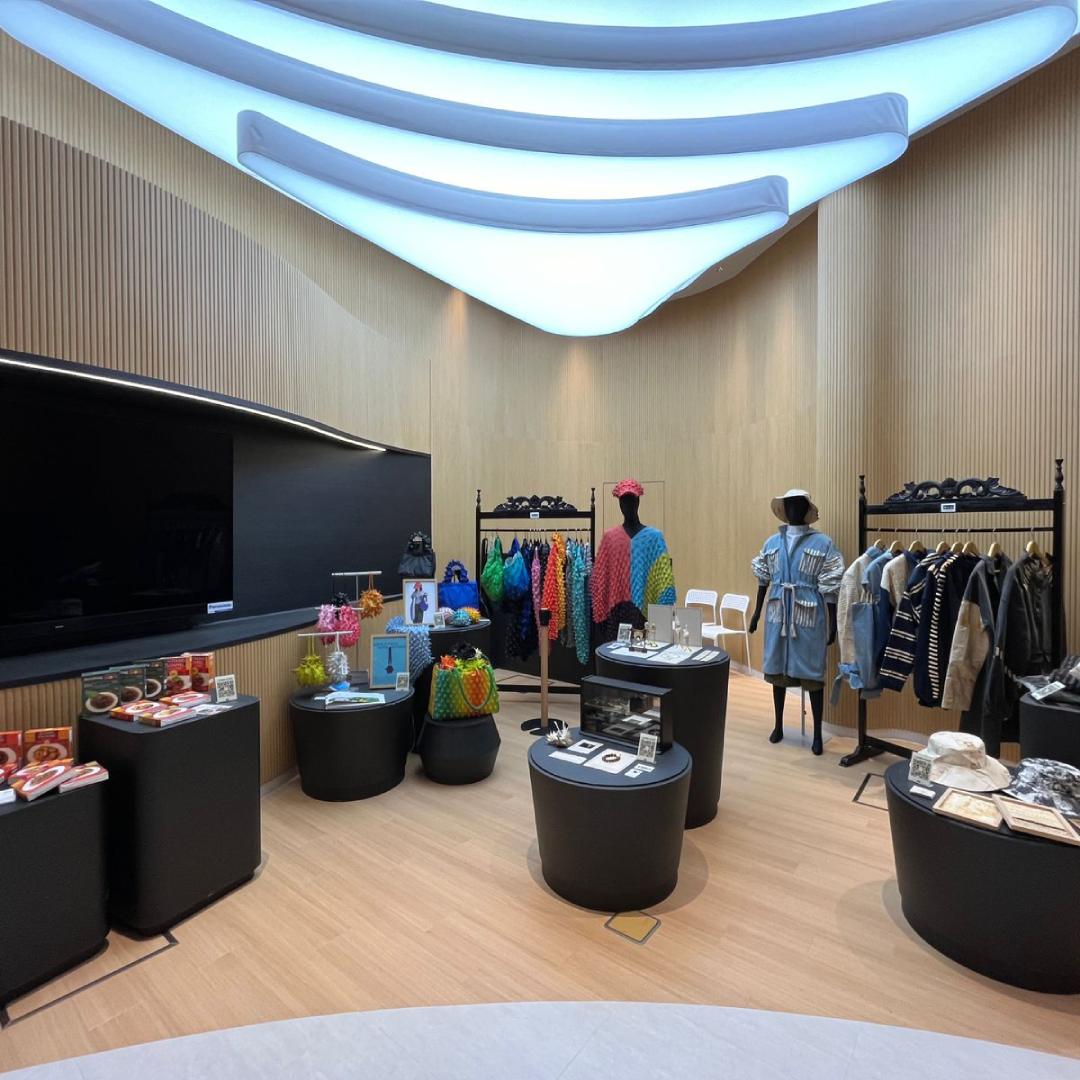
From August 4 to 10, the Indonesian Pavilion came alive with a rolling exhibition that featured at least 12 curated looks from each brand. These collections blended modern aesthetics with craftsmanship and storytelling, turning fashion into a cultural statement. They carried with them three core values—sustainability, innovation, and identity—that now define the future of Indonesia’s fashion business.
Senses charmed audiences with minimalist yet meticulously detailed pieces, proving that elegance often lies in subtlety. Apakabar wove cultural stories into garments using experimental materials such as mycelium leather, coffee pulp leather, and recycled textile waste sourced from Cigondewah, Bandung. Fuguku presented an eco-conscious vision of fashion through inventive textile techniques rooted in local traditions, bridging heritage and modernity in striking ways.
Their participation was more than a showcase of garments; it was a form of diplomacy through design. Sharing the stage with nations from across the globe, these Indonesian brands conveyed a message of unity in diversity. Their works celebrated woven heritage and traditional narratives while positioning Indonesia as a country ready to contribute fresh perspectives to the international fashion landscape.
This achievement highlights the commitment of JF3 and LAKON Indonesia to extend the reach of Indonesia’s creative industry. By opening doors for young brands through international exposure, they strengthen the bridge between local artisanship and global markets. The exhibition in Osaka was an opportunity to show not only fashion, but also the values, vision, and innovation behind Indonesian design.
At the heart of this success is the PINTU Incubator, an incubator program built to nurture bold ideas and empower creative entrepreneurs. Through a rigorous curation process, participating brands gain the skills, mindset, and network needed to grow beyond domestic boundaries. Sending alumni to Osaka demonstrates how the program equips designers not just for local acclaim but for global competitiveness.
The Osaka World Expo 2025 became a defining moment, not just for Apakabar, Fuguku, and Senses, but for Indonesia’s position in the global creative map. It proved that when talents are cultivated within the right ecosystem, they can shine among the best in the world. More than a fashion presentation, it was a celebration of creativity without borders, of stories told through fabric, and of a nation’s cultural pride stitched into every piece.